Sunday, May 23, 2010

THE STYLISH CROATIAN CAPITAL

FINALLY, A CAPITAL CITY: As you stroll the streets in the center of Zagreb, Croatia, it's hard to believe the city has served as a seat of national government for less than 20 years. Prior to the establishment of an independent Croatian republic in 1991, Zagreb had never held the title of capital. The city has been an important center of commerce, trade, education, art and ecclesiastical power for centuries. In the short time since Croatian independence, it also has quickly and easily acquired all of the other features of a major European capital, except for hordes of tourists. That is changing and it should.

Visitors to Zagreb will find a stylish and fun destination full of well-dressed residents hanging out - all day, it seems - in outdoor cafes. There are good museums and restaurants, some great shopping, even better people-watching, and an expanding range of hotel options. Zagreb also has several elegant green spaces in the center of town and, just to the north of the city, which sits astride the Sava River, lies Medvednica Mountain with its winter skiing and warm-weather hiking. As in much of Croatia, English is widely spoken in Zagreb, but a few words of the local language will always win you praise.

We traveled to Zagreb via train from the Dalmatian coast at Split, a beautiful 5-hour journey high through the Dinaric Mountains along the border with Bosnia-Herzegovina. Most visitors to Croatia spend their time along the sun-drenched Adriatic coast and on neighboring islands. By contrast, Zagreb looks and feels more like Prague or Budapest; this is the other side of Croatia, a country of less than 5 million people with an incredible geographic diversity. Nearly one million of Croatia's residents live in the capital, so you can't get a full picture of the country without visiting Zagreb.

Our train arrived at Zagreb's mail railway station, Glavni Kolodvor, and we hopped on one of the city's sleek blue trams, which took us to British Square (Britanski Trg), from where we made the short but steep hike to the Hotel President. Perched on a hilly residential street, the President is a sleek, modern boutique property designed by the owner-architect. All hardwood and glass, our well-appointed room had its own private terrace and a view of the wooded neighborhood near the Presidential Palace. It felt a lot like staying in a tree-house. The staff was gracious and helpful.

After a breakfast of Dalmatian coast ham, eggs and fruit, we start our one full day of exploration in Zagreb. The central city is divided essentially between the medieval Upper Town (Gornji Grad) and the Hapsburg-era Lower Town (Donji Grad). A handy funicular connects the two, located just off the main shopping street, Ilica. As you exit the funicular at the top end, you are rewarded with a great panorama of the city. Turning north, we enter the square centered on St Mark's Church. Dating from the 13th Century, the church's signature feature is its colorfully tiled roof that includes two key Croatian coats of arms. This also is the official seat of government of modern Croatia. Parliament is located on one side of the square and the prime minister's offices on the other. Just to the north is a museum that turns out to be well worth the diversion. I was not predisposed to spend any time at the Zagreb City Museum, but it proved to be an informative and interesting stop that tells the story of the history of the city. As I learned, a key event in Zagreb's development was its designation as a Roman Catholic bishopric in the 11th Century, owing to the city's strategic location between Rome and the eastern Orthodox centers.

Exiting the museum, we make our way towards the Zagreb Cathedral, the center of religious life in overwhelmingly Catholic Croatia. On our way, we stop to have a coffee on Tkalciceva Street, a Disney-set-like street of cafes and beautiful medieval buildings. Sitting in the warm sun, I confess to wishing that I had been born in a place where there's always time for a leisurely visit with a friend in the middle the day (I'd lose the omnipresent cigarette smoke in the case of Croatia).

Rain clouds are moving in as we make our way past the Dolac, Zagreb's vibrant daily city market, the red umbrellas of which provide cover for all kinds of food and flowers and products for sale. It's a key ingredient of Zagreb's DNA and well worth a browse. We grab lunch at a cafe on adjacent Jelacic Square (Trg bana Jelacica), the central heart of Zagreb. This is where the pulse of life in the city can best be felt. It's remarkably free - for now - of tourists and that makes it a real travel experience. It's not like anywhere else because, well, it's not.

Next, we head south to Glavni Kolodvor to buy tomorrow's train tickets to Slovenia and, along the way, pass through the eastern part of Lower Town's green horseshoe of parks and squares. Here, the buildings are impressive and grand Hapsburg-era structures housing hotels and museums. We stop to walk through the lobby of the Regent Esplanade, Zagreb's most famous hotel, which was built to accommodate passengers of the Orient Express. It's busy on the day we visit with a conference of European bankers.

Zagreb has several worthwhile museums, many focused on Croatian artists. We visit the Modern Art Gallery, housed in one of Donji Grad's grand buildings. The collection is interesting and, as with much of our travels in Croatia, it's cool to be viewing art that can't be seen just anywhere. Our time in town ran out, but I'd like to check out on a next visit the newest arrival on Zagreb's museum scene, the recently opened Museum of Contemporary Art, located just across the Sava in Novi (new) Zagreb.

Next up is shopping. Zagreb has branches of international chains, of course, but the real fun is finding a "you can't buy this anywhere" item. We do and, several hundred euros later, we make our way by tram back to the hotel.

After a glass of wine and a nice chat with our lovely hotel reception manager, Iva, we head out for dinner. I generally choose not to write bad reviews on my blog. I am making an exception in this case. Iva suggested having dinner at the restaurant Korcula, known for seafood from the waters off its namesake island. We made our way there on our first night in town and were told the restaurant was closed, this despite being packed with dinner patrons obviously not on their way out the door. So, we went back the next night, much earlier and on a Friday no less. Marking us, I suspect, for stupid tourists, we were sent to a stinky, musty basement dining room. I don't think so. As we learned, the conference in town had sent several restaurants into a tizzy, but this place was a notable exception to what was an overwhelmingly true rule of incredible Croatian hospitality. Avoid the restaurant - not the island - Korcula.

Saturday morning dawns rainy and gloomy as we make our way to the train station and on to Slovenia, but I am happy because I know we have made a very worthwhile travel stop in a lovely and gracious and stylish capital city. Hvala, Zagreb.


Saturday, May 22, 2010

SPLIT AND A ROMAN EMPEROR'S CRIB

CROATIA AND SLOVENIA: PART 2

ALL ROADS LEAD TO A PLACE CALLED SPLIT: Way back in the day, Diocletian was a native of the area around modern Split, Croatia who, despite humble beginnings, rose through the ranks of the Roman military to rule - ultimately - as emperor of the vast empire from 284 A.D. to 305 A.D. He never lost his love for his native Dalmatia, however, and, as he neared the end of his reign, Diocletian decided to build one heck of a retirement place back home. He ordered thousands of workers and slaves to work nonstop for 11 years to construct a palace that survives to this day, albeit in pieces interwoven within the fabric of a modern city. Fast forward a few centuries and we are making our way from Dubrovnik to Diocletian's hometown after three great days in the "Pearl of the Adriatic." Despite some less than favorable first impressions, Split proves to be a very worthwhile stop among the many tempting locations along the Croatian coast.

Split is the second largest city in Croatia, a bustling port and a key point of departure and transit for ferries, trains and buses carrying passengers between the islands off the coast and other parts of Croatia, the larger Balkan peninsula and beyond. Before getting to Split, we face the happy prospect - really - of a 3.5 hour road trip north out of the Dubrovnik and along the spectacular Dalmatian coast. Leaving the old walled city, we cross the new bridge that links Dubrovnik with the rest of Croatia and each turn and switchback produces another breathtaking vista of the blue Adriatic and the islands. Opting not to risk driving off a cliff because of such beautiful scenery, we hire a driver for the trip. Goran is our affable and courteous driver who shares his opinions along the way about this part of Croatia, tourism and even some nostalgia for the former Yugoslav strongman, Josep Broz Tito. Still, it is obvious that Croatians by and large have embraced the ways of free-market commerce and tourism wholeheartedly. Having an idyllic setting, some of the best historical sights in Europe and really friendly locals makes the effort pretty easy, it seems.

About an hour into the drive, we reach the border with Bosnia-Herzegovina. As Goran explains, when Yugoslavia (i.e., the republic of the south Slavs) existed, Tito managed the disparate and fractious demands of the states that comprised the former communist nation in lots of ways. In one example, to appease the Bosnian government in Sarajevo, he "gave" Bosnia-Herzegovina (abbreviated locally as "B-H") a 26-kilometer finger of Croatia's long coastline so that Bosnians would have a seaside destination all their own. Today, this briefest of coastlines centers on the discount holiday town of Neum. In the 20 minutes or so we are in town to buy B-H souvenirs and snap pictures, the difference in the recent histories of now-separate Croatia and B-H is apparent. Everything in this sliver of a coast looks and feels poorer and shabbier than the shiny resorts and villas of Croatia, which could be mistaken for being in Italy, France or Spain. Of course, B-H rewards with worthwhile destinations that are re-emerging after the war on travel agendas, including Sarajevo and Mostar, but that's not our agenda for this trip so our journey to Split resumes.

Five minutes after our drive-by visit to B-H, we re-enter Croatia and the road turns away from the coast and appearing below is the "California of Croatia." This is the compact and astoundingly fertile valley of the Neretva River delta, which produces the bulk of Croatia's bountiful produce, including oranges, lemons, strawberries, peaches, figs and, of course, some of that delicious and reliably good Croatian wine. At Goran's suggestion, we stop at a roadside stand and pick up snacks and wine from a sweet woman selling the fruits of her hard labor. She speaks no English but we get by with Goran's help and my frequent use of "Hvala puno," which means "Thank you very much" in Croatian. To keep up with the ever-increasing number of visitors, Croatia is rapidly expanding its motorway system toward Dubrovnik and the southern border with Montenegro. In the meantime, the road north turns further away from the coast and high into the Dinaric Mountains that form part of the border between Croatia and B-H. Conversation in the car ceases; we don't want to keep Goran from focusing on his task, which is keeping the car on a road of hairpin turns, amazing drop-offs and flimsy or non-existent guardrails.

HAVE WE MADE A MISTAKE: 15 or so minutes later, we descend out of the mountains, the motorway resumes and, before long, the exit for Split appears. Arrival in Split by boat must be an improvement over driving into town by car because the latter is very disappointing; one might be tempted to keep driving, in fact. While Dubrovnik managed to escape much of the scars of communist-style apartment blocks, Split was not so lucky. Its outskirts are full of such ugly buildings climbing the hillsides. Still, when Goran finally delivers us to the pedestrian-only old town along the seaside, my travel planner's fears lift.

As it turns out, Split is a lively, enormously fun and interesting city with good food, shopping, people-watching and nightlife. Its charms must be probed and sought out, which is part of its appeal, and it's the perfect compliment to post-card perfect Dubrovnik. We arrive on my birthday, so we splurge and check in to the fairly pricey and hip Marmont Hotel, a small, beautifully designed property located just outside the walls of Diocletian's Palace. After a satisfying lunch of seafood risotto at a nearby tavern, we set out to explore.

The ruins of the Diocletian's Palace are remarkable in several respects. First, there is the fact that so much of the structure has survived until now in the middle of a busy and ever-changing city. Second, Split seems to have grown and expanded with the ruins in its very midst, almost - it seems - without notice, or at least with a very pragmatic reverence.

All around town, you can look up and above a building housing, for example, a designer tie shop and spot the arches of a portion of the emperor's palace. Speaking of designer tie shops, I learned in preparing to travel to Croatia that the necktie originated here. Croatian mercenaries arriving in the court of King Louis XIV of France, the story goes, were sporting a neckband that was the forerunner of the modern necktie. The king was very impressed and became an early adapter. The French word for necktie is "cravat," which historians believe is a derivative of the French word for Croatian. And so, looking for pieces of the palace, we spot a branch of Croata, a designer boutique selling Croatian-made neckties, from where my birthday present is purchased. Later that first night, we have dinner at Luxor, a restaurant serving traditional Croatian seafood and other dishes, and our waiter points out that the ground floor bar occupies the space that formerly served as the Temple of Venus within Diocletian's Palace.

Residents of Split accept such history surrounding them with a certain "of course" matter-of-factness. What this means for visitors is that there is no single, contained tour of Diocletian's Palace. Instead, you have to wander around, look at a map, spot a piece of ancient Roman architecture, and then take a break at one of the many cafes built into all this history. Today, Split is the primary jumping off point to some of Croatia's most popular mid-coast island destinations, including the new "it" resort of Hvar, as well as Brac and Korcula. There are lots of backpackers, German and British holidaymakers and cruise ship daytrippers in town during the peak summer season. It's also the southern terminus of Croatia's railway network, so there always are lots of people in transit and in town briefly. On most days, when not dashing to explore some corner of the palace, you will find several of these visitors and locals alike strolling the riva, a beautiful "front porch" seaside promenade along the Adriatic. There are plenty of places to stop, have a drink, enjoy the sunset and people watch. This is another of Split's essential experiences.

There are a few other stops in Split worth making. Just beyond the walls of the palace is the Gallery of Fine Arts, featuring a well-exhibited collection of Croatian artists and temporary exhibitions. During our visit, we lucked out to catch an exhibit of Francisco de Goya's etchings. Another museum choice is the Mestrovic Gallery, one of the museums in Croatia dedicated to its most famous sculptor, Ivan Mestrovic. But wait, Split is on the coast, right? Yes, there are beaches to explore. The center of town is not really for beaching it, but the adjacent Marjan Peninsula offers several places to swim and sun. I went for a run on our last morning in town through this hilly and wooded stretch of the city that also includes hiking trails and some beautiful villas. This is where you head to experience the sea side of Split. The night before, we also checked out a brief sliver of Split's nightlife. The city seems very full of young people looking for fun. We walked a few blocks from our hotel through the ancient alleys and found a bar run by a local gay couple that was the perfect setting for a nightcap. Nothing more than a bar, recorded music and chairs spilling out the doorway of an ancient building and onto the marble alleyway and stairs. At first glance, you might not even stop. But, that's sort of the essence of Split. A place that might not wow with first impressions, but which leaves lasting and pleasant memories.

UP NEXT: The stylish and hip capital of Zagreb.


Thursday, May 13, 2010

CROATIA & SLOVENIA: PART 1

NOTE: I am writing not from the comfort of home, but from on the road (or, this case, a train), so I will forego my normal OCD routine of spell-checking obsessively and searching hyperlinks in order to put words to paper.

YOU ARE GOING WHERE? Several people asked us that question as we began planning this trip last year. I am now hesitant to write the blog of this trip because I almost don’t want to spread the word about where I have been and what I have seen. But, I decided that the beauty and rewards of where we are traveling are too good to keep secret. We are in the 4th day of a two-week vacation and delayed honeymoon to two of the former republics of Yugoslavia: Croatia and Slovenia. For many Americans, even in 2010, this is an off-putting region that conjures up dangerous images of the 1990s’ war in the Balkans. To be sure, the scars of that complicated, multi-ethnic, multi-religious war exist. Those travelers who do get up caught up on their current events and shake off some instinctual hesitation will discover that this corner of Europe is a fascinating travel destination of spectacular scenery, centuries of history, wonderful hospitality, and terrific food and wine, all the while offering the chance to acquire a different perspective about the effects of war.

It’s hard to summarize the recent history of either Croatia or Slovenia in a sentence or two, but the very short version is that both declared their independence from Yugoslavia on the same day in 1991. Slovenia’s break was virtually without battle, save a few days, while Croatia endured a longer period of bloodshed. There are many sides to the conflict in this part of the world. Yet, within a few years of independence, both countries began their ever-forward march toward full integration into the European Union. Slovenia today is a full EU member and Croatia is moving quickly towards that status.

DUBROVNIK & THE DALMATIAN COAST: Our trip began last Saturday in the middle of current events, as we waited for our delayed flight to Paris, thanks to that unpronounceable volcano in Iceland. We did take off finally, but the circuitous route from Washington Dulles to Charles De Gaulle that was required to avoid the cloud of volcanic ash stretched the flight time from 6 to 9 hours. This, in turn, resulted in a mad dash through Charles De Gaulle, a crowded and chaotic terminal in the best of times, as we hustled to make our connecting flight on Croatia Airlines to Dubrovnik. We did make the flight and things improved immediately upon take-off with a free (you read that correctly, customers of American carriers) Croatian snack that even included complimentary (not a second typo) Croatian wine. We landed at the diminutive airport south of Dubrovnik, but the construction activity around the terminal confirmed that travelers are discovering the “Pearl of the Adriatic” in ever-increasing numbers.

Dubrovnik was founded in the 7th century as a maritime trading republic that came to rival Venice in both power and wealth. It remained independent for centuries, but has been part of Croatia for hundreds of years. Today, Dubrovnik is the crown jewel of Croatia’s tourism industry, a perfectly preserved yet living ancient city with marble streets, medieval walls, baroque churches and beaches that front the incredibly clear and aquamarine waters of the Adriatic Sea. Dubrovnik also has the curb appeal of the Italian or French Riviera, complete with more than a few jaw-dropping seaside villas, but it is much more. It is no surprise, then, that Dubrovnik has become a hot stop on Med cruises and that’s both good news and bad news. It’s good news for the tourism-based economy of this city of about 50,000. It also means hordes of day-trippers in port for the day during the busy summer cruise season, crowding the narrow streets and even narrower city walls as they follow around tour guides holding paddles or umbrellas. For travelers like my spouse and me, it makes for fun people watching, but it also makes us cringe and swear that, if we do take a cruise, we will be the kinds of passengers that bust free from the crowds when we’re in port and make our own tour route.

As a frustrated travel agent (but only for non-high maintenance clients), I planned most of the travel and lodging details of our trip. In Dubrovnik, I discovered that one has two lodging options. If you want to stay within the confines of the old walled city, the only real option is a rented apartment or room. Your second option includes the large, resort hotels and smaller pensions of the nearby beach areas of Lapad and Ploce. I decided on the former option early on and one of my travel discoveries was a rental agency in Dubrovnik, through which we seamlessly arranged the transfer from the airport, our apartment in the city and a driver to take us to Split, out next destination. The Rose of Dubrovnik, run by a friendly and responsive woman named Meliha, was waiting outside the baggage claim area to whisk us into town on the spectacular coastal road that offers run-out-of-superlative views of the sea and islands. Meliha delivered us to the Budva gate entrance to the old walled city and we picked up the keys to a beautifully furnished studio apartment that offered great location and comfort in the middle of everything for just over 100 Euros a night.

Cleaned up from the long flight from the United States, we headed out to explore and discovered the first surprise (for us) of Dubrovnik. The cross streets of the old walled city that connect with the center of everything, the Stradun, are amazingly and athletically steep. Each time we ascended the 10 flights of stairs to our apartment, I re-committed myself to that step class at the gym back home. But, it’s worth it to heave a little because everywhere you turn in the historic center is a beautiful sight of ancient structures and, at the right elevation, a church tower or the sea beyond. Another signature feature of Dubrovnik is the fact that the streets of the old town are paved in smooth white, centuries-old marble that gleam beautifully day and night, in any season and no matter the weather. Of course, you are in a coastal town, so one of the great pleasures of residents and visitors alike is strolling the waterfront at dusk as the last of the fishing and tourist boats return to the harbor for the evening. Although Dubrovnik has a reputation for over-priced food and poor service in its restaurants, owing to the masses of tourism, we enjoyed several fine meals along the waterfront. Our most memorable meal was at Gil’s, a restaurant and self-described “pop lounge” that serves fusion cuisine with a W Hotel lounge décor on a terrace that is essentially part of the old city wall. The food and service and setting were spectacular on all counts.

There are no must-see museums in Dubrovnik, in part, because the whole place is a living museum. Still, a few stops are worth mention and exploration. During its maritime republic days, Dubrovnik was ruled by rectors (akin to the doges of Venice) and the Rector’s Palace is a good starting location to get your sense of the city and its history. The museum has several rooms of period furnishings and some other ancient artifacts. There are several important churches within the old quarter, as well, including the Dubrovnik Cathedral, the Serbian Orthodox Church, the Jesuit church at St. Ignatius of Loyola, and the church of the Franciscan monastery. We also visited the Dubrovnik Synagogue, which is the oldest Sefardic synagogue in the world still in use, and the second oldest synagogue in Europe. Just outside the city walls is another worthwhile museum break. As you make your way past the closest beach to the old city and toward the newly renovated Hotel Excelsior with its cliff hanging lounge, take time to visit Dubrovnik’s small but well-done Modern Art Gallery. Set in a former villa perched high above the sea, the gallery has a nice collection of Croatian art of high quality, few pieces of which likely have been seen by anyone outside Croatia.

The one thing you HAVE to do in Dubrovnik, however, is get up early before the heat and the crowds to climb the 2.1 kilometer city wall. You have to be reasonably fit to complete this walk but the reward is so worth it. As you make your way around the circumference of the old city, the views over the old town or, alternatively, the sea and islands just offshore, are - well - breathtaking. You will be snapping pictures like mad. Take time to pause at a turret or cannon point. This is an experience that cannot be repeated just anywhere and it really makes the trip worthwhile in and of itself.

On our last day in town, we decided to get on the water. There are several options to spend the day or an overnight on one of the islands off the coast of Dubrovnik. We chose the closest option. Lokrum sits about a mile offshore and less than 15 minutes from the old town via a water taxi. The island has an interesting and strange history. It was inhabited initially by Benedictine monks who planted the island’s orange trees. Legend has it that Richard the Lionhearted was shipwrecked on Lokrum as he returned from the Crusades and, to give thanks for surviving, he offered to build a church on the island. He was persuaded by the city fathers, it is said, to build the church on the mainland instead. The legend continues with the belief among some that this change in plans cursed the island. Later, the French built a fort on the island that subsequently was abandoned. The island’s most recent and tragic notable was Prince Maximillian, a member of the Hapsburg dynasty. He built a villa on the island and planted a botanical garden, raised peacocks and generally loved living there with his wife, Charlotte. His luck turned bad when he became Emperor of Mexico and later was executed by a firing squad in Mexico City. For visitors, however, the setting is idyllic. There are nature trails, lots of descendents of those peacocks running around, a restaurant and beaches, including a nude beach, though the jagged rocks from which one dives into the blue Adriatic struck me as supporting more, not less, clothing. Less than 20 minutes after completing an afternoon exploring this island with no permanent or overnight population, you are back at a harborside table enjoying a glass of Croatian wine.

One or two days in Dubrovnik is enough to get a good sense of the place and check off some of the “must dos” but a week or more could easily and happily be filled with beaches, history and exploration. In addition to the islands, a popular excursion from Dubrovnik is a day trip to the newest European nation, Montenegro, and its spectacular, fjord-like Bay of Kotor. For us, we had to leave as we made our way north and then inland.

NEXT UP: A Roman emperor and his hometown of Split.

Saturday, May 1, 2010

TWO DAYS IN DENVER

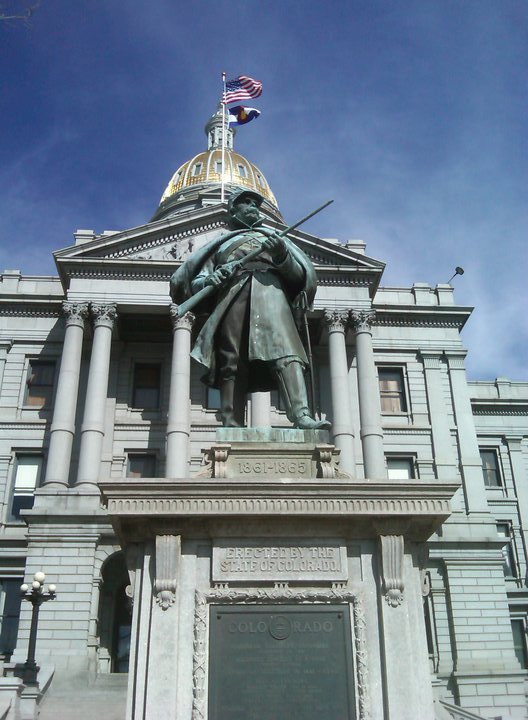
A MILE HIGH: As everyone knows, Denver is called the "mile high city" because, well, it is. If you stand on the 13th step of the stairs of the state capitol building, you are standing exactly 5,280 feet above sea level. I returned to Denver last month for the first time in many years, and there's a lot more going on in Colorado's capital city than altitude, the Broncos and the Rockies.

In the intervening years since I last visited, Denver has grown from a pretty and outdoorsy town at the base of the Rocky Mountains, which it still is, into a diverse, cosmopolitan city of 2.5 million. At the conclusion of a recent conference, my family joined me for a weekend and we found a friendly city with beautiful neighborhoods and parks, a sophisticated dining scene, great shopping and lots of things for kids and adults to enjoy together, all set against the always inspirational and jaw-dropping view of the mountains (at least when it's not raining and gray, which it was for most of my visit).

THE CENTER OF IT ALL: If you are going to visit Denver and are not flying in to just head west to the mountains for skiing or warm-weather fun, staying downtown will put you at the center of everything with plenty to do and see within walking distance of your hotel. For a western city, Denver's downtown is surprisingly (to me) dense with attractions and even residents. The city also has a transit system of light rail and buses, though you will need a car if you want to explore some of the neighborhoods or go further afield. We stayed at the Sheraton Denver Downtown Hotel. It has all the bells and whistles of a big city chain property, but also is perfectly located near the state capitol and on the pedestrian-friendly 16th Street Mall. With no vehicular traffic, save a free downtown shuttle, 16th Street Mall allows you to walk its length, stopping along the way to shop and dine. I headed out the door one morning for a run down to the other end of mall. This leads to the the cable-stayed Millennium Bridge, a pedestrian suspension span that carries you over a rail yard and connects downtown with the Central Platte Valley and Union Station area. Here, you also can connect to Confluence Park and some really nice running trails along the - you guessed it - confluence of Cherry Creek and the South Platte River. I was able to admire the view back towards the Denver skyline and the cool condo properties nearby, in part, because I had to keep stopping on my run to adjust to the altitude, which definitely can be felt when exercising outside.

FROM MINING TOWN TO BIG LEAGUE: Denver was founded in 1858 during the gold rush of Pikes Peak in what was then the Kansas Territory, and named after the territorial governor. It grew quickly and, when Colorado was admitted to the union in 1876, Denver became its capital. Denver has seen its booms and busts over the years but seems to have survived the Great Recession relatively intact. Denver reminds me of other regional centers like Atlanta and Minneapolis, drawing the young, ambitious and outcast hoping for better luck in the big city, but not yet ready for New York or Los Angeles.

Today, of course, Denver has big city essentials like professional men's sports teams in baseball, basketball, football and hockey. It also has big city shopping like Cherry Creek Mall, which tenants include Burberry, Nordstrom, Neiman Marcus and Saks Fifth Avenue, but Denver also has interesting local stores, including - of course - great places to buy boots and other western wear. I love the big chain bookstores for browsing but, as an avid reader, I feel a duty to give props to any local bookselling institution that survives and thrives, and Denver has its own in the Tattered Cover where you can drop a few hours browsing. The downtown location is on 16th Street, and there are two other locations, one on East Colfax Avenue in the city and one in Highlands Ranch, a suburb.

EATING AND EXPLORING: On the night of my family's arrival from the East Coast, I met some conference colleagues for dinner beforehand at Panzano, an Italian bistro located in the Hotel Monaco, a Kimpton Hotels property downtown. The food and service were excellent (it was prom night in Denver but our party of 8 was well served and attended) and my skirt steak with Parmesan risotto rocked. I also enjoyed a delicious conference function meal at Kevin Taylor's at the Opera House, which has beautiful space in the performing arts complex; it's a great choice for pre-performance or any other reason meals.

The sun finally shone on Saturday morning and, after rousing our sleepy 9-year-old, we headed to Denver's really excellent zoo, set in City Park, a lovely greensward just east of downtown that offers spectacular views of the city skyline and Rockies. The zoo was a little messy with ongoing construction for a new Asian venue exhibit, but our son loved the highlights that included a week-old giraffe, grizzly bears, komodo dragons and one California sea lion with serious attitude. That evening, we met our niece who teaches school in Denver Public Schools for dinner in the great, close-in neighborhood of Washington Park or, as locals call it, "Wash Park." As its name suggests, the neighborhood centers around the park itself, which is another great urban green space full of runners, walkers and pooches on their daily stroll. Wash Park is full of beautiful Craftsman and similarly-styled houses. There are a couple of cool dining and shopping strips in Wash Park. We stuffed ourselves on sushi, sashimi and Kobe beef at Izakaya Den, an excellent and packed restaurant on South Pearl Street. Another good stretch is South Gaylord Street.

After a late Sunday morning and before heading home, we made our way a few blocks away to two of Denver's cultural and architectural stars. The Denver Art Museum houses an impressive collection of Native American art among its other offerings. Its mojo was kicked up several notches with the 2006 opening of an addition that is a stainless steel, architectural nod to the nearby Rockies designed by famed architect Daniel Libeskind. We were there on a "dia del nino" with activities for kids that made the visit for parents and child alike enjoyable. The museum is adjacent to the new home of the Denver Public Library, which was designed by another big design name, Michael Graves. In addition to its regular collection, the library houses separate collections focused on Western history and African Americans in Colorado and the West.

MY RULES: Denver International Airport is a sprawling terminal located well east of the city that is one of the country's busiest. Southwest is a recent and expanding entrant so my first travel rule of well-priced, direct flights from home base in Baltimore is met. As to my second travel rule, I found Denver to be a friendly, relaxed place. I caught a few same-sex couples strolling hand-in-hand without any notice or protest. The city's CVB website has a GLBT section, which notes that, while "Brokeback Mountain" was filmed up the road in Wyoming, Denver has had a thriving GLBT community for some time. Whatever your team, I can say that all of that sunshine, thin air and frequent outdoor activity seems to have produced in Denver a populous that is particularly fit and attractive, and which makes for good people-watching for everyone.

Friday, April 23, 2010

Charlotte: the Queen City

A FINE, PROSPEROUS PLACE: Back in the late 1990s, I was working for a bank in Florida that decided to sell itself to a certain bank headquartered in Charlotte, North Carolina. I had never given Charlotte much thought. I had visited the mountains of western North Carolina and know the pleasures of Wilmington and the Cape Fear coast, but Charlotte was a blank slate in my mind. My focus on the Tarheel State's largest city was sharpened abruptly when my new employer told me that my job would continue, but only if I moved to Charlotte.

Thus, began my shotgun relationship with Charlotte. As a then-single lawyer, I was prepared to not like it for that reason alone, and because I assumed it would be a boring town of bankers (present company excluded) with nothing to do. And, I tried really hard to find fault with the place. But, the truth is, I fell in love with Charlotte and its people during the nearly three years I lived there. Most people know Charlotte today as one of the nation's largest, albeit struggling-at-present, banking centers, but it is much more than a one or two company town.

As a recent visit for a wedding confirmed, Charlotte is, in reality, a verdant, beautiful city with a thriving and recently expanded arts scene, good shopping and dining options, several great green spaces, NFL and NBA excitement and, though it's not on my own list of to-dos, the new NASCAR Hall of Fame. As a drive through town will show, Charlotte is a relatively prosperous place of about 1.7 million (MSA-wise) set in the rolling terrain of North Carolina's Piedmont. The largest city between Atlanta and Washington is uniquely blessed with several lovely neighborhoods within five or ten minutes of the central business district, known locally as Uptown. The neighborhoods range from the old money manses of Dilworth and Myers Park, which was designed by famed landscape architect Frederick Law Olmsted, to the bungalows of Elizabeth to the eccentric mix of funky Plaza Midwood. There are more modern 'hoods that stretch into suburbia, including Mc- and Big-Mac mansions that line the shores of Lake Norman, which is a boating mecca formed by damning the Catawba River. Charlotte also has its own vibrant African-American community with several interesting points of interest, including Johnson C. Smith University and the just-opened Harvey B. Gantt Center for African-American Arts and Culture. The Gantt Center is part of the newly organized Wells Fargo Cultural Campus that also includes the Bechtler Museum of Modern Art, and is symbolic of Charlotte's strong commitment to the arts in ways both small and large.

Overall, Charlotte has the look and feel of a new city with modern, planned and mostly manicured developments. The city also is a good jumping off point to the rest of the Carolinas. With non-stop air connections to most major cities in the United States and several in Europe, Charlotte offers easy access (two or three hours' drive) to the mountain resorts of Asheville and Blowing Rock in North Carolina, as well as historic Charleston, South Carolina and its beaches.

THE QUEEN CITY: Charlotte was founded in the mid-18th century and named after Princess Charlotte of Mecklenburg-Strelitz in Germany, who became the queen consort of King George, III. The city later was known for its active opposition to British colonial rule. Charlotte boomed after the Civil War as a railroad center, overtaking Wilmington as the largest city in North Carolina. Charlotte's most recent and transforming boom began in the 1970s when two hometown banks, NCNB and First Union, led by ambitious CEOs and facilitated by progressive banking laws in their own backyard, launched nationwide expansion strategies that fueled an onslaught of mostly well-paid, highly educated newcomers. For a time, Charlotte was the second largest banking center in the United States, as ranked by assets held by companies headquartered here. Prior to the recent financial crisis that saw Wachovia Bank (successor to First Union) acquired by San Francisco-based Wells Fargo, Charlotte was home to about $2 trillion in banking assets.

WHERE TO STAY AND WHAT TO DO AND SEE: Charlotte is not a town of blockbuster attractions. Think of it as a great place to live, but you're just here for the weekend. So, what would locals do? If such a local were putting up guests and did not have the room at home, there are two primary lodging destinations: Uptown and SouthPark. On a recent visit, we stayed at the Aloft Charlotte Uptown, which is connected to the EpiCentre, a complex of bars and restaurants that draws crowds of 20- and 30-somethings ready to party. It's happening at night, so ask for a room on the quiet side of the building if that's not your thing. The rooms themselves are nicely designed and equipped for the W Hotel fan who is in town for business, which seems to be the point of this new chain of properties from the Starwood Hotel Group. For more luxurious digs, Uptown also offers the Westin and the just-opened Ritz-Carlton, which is part of the Bank of America headquarters complex. A well-established choice is the Dunhill Hotel, which just celebrated its 80th anniversary of catering to out-of-town guests.

There are a few neighborhood shopping areas in Charlotte, but the city's premier retail and other lodging center is SouthPark. The mall itself has lots of upscale big names like Burberry, Neiman Marcus, Nordstrom and St. John. There are several hotel options, including a Doubletree Guest Suites on property and a Marriott across the street from the mall. In addition to SouthPark, you can engage in retail therapy of a more localized variety by checking out vintage clothing and furniture stores along Central Avenue in Plaza Midwood. Another good stop is the short stretch of East Boulevard in Dilworth near the intersection with South Tryon Street. A great local destination for browsing for everything from wind-up kids' tub toys to design books to a last-minute gift for someone who is stylish and hard to please is Paper Skyscraper. I never fail to find a great gift when I stop here on visits back to town.

As a runner, one of my favorite things to do in Charlotte is to pick a neighborhood and check out the great houses and beautiful landscaping as I make my way up and down the hilly, winding streets. A great starting point for a run is Freedom Park, just south of Uptown and off East Boulevard. This 98-acre park offers a nice loop to get you started, and from where you can head west to the streets of Dilworth or east to suffer house envy (but not price envy) in Myers Park.

There are lots of good place to eat in Charlotte and, with a few exceptions, most are casual and informal. One of my favorites is local pizza chainlet Wolfman Pizza, which offers really tasty and interesting choices like the New Mexico, a pie of black bean sauce, chicken and salsa fresca. Another reliable choice in Uptown is Mimosa Grill, offering a wide variety of contemporary fare with a Southern twist and the help of local farmers. Charlotte and the rest of North Carolina have seen an explosion in the growth of the Latino community, so be sure to ask locals for the latest recommendations for good Mexican or Salvadoran or other food choices of the Americas.

MY RULES: Charlotte is a major air hub for US Airways and there's kind of a lock on the market, which does not generally fit within my first travel rule of cheap flights from my home base of BWI. Southwest does not fly here but AirTran does, so cheaper flights are possible if you plan ahead. As to my second travel rule, I would not describe Charlotte as particularly gay-friendly nor would I label it a homophobic place. It does seem to me that the influence of its two largest employers, Bank of America and Wells Fargo, has moved Charlotte to embrace diversity, at least in the workplace. I would note that both companies regularly earn a 100 score in the Human Rights Campaign's Corporate Equality Index.

I did not want to move to Charlotte but I am happy I did. In addition to living in such a beautiful, friendly city, I met some of my closest friends, who are regular reminders of why Charlotte is a great city worthy of exploration.

Sunday, March 28, 2010

Rochester and the Finger Lakes in early spring

Some cities are so well-known through images as to be recognizable to those who have never set foot in town. New York, San Francisco, Paris and Washington are obvious examples. Rochester, New York is not one of those places. A good friend recently moved to this livable city of about one million (MSA-wise) on Lake Ontario to continue her medical training, so I was excited at the chance to visit her. In addition to catching up with my friend who I had not seen since my wedding last year, this would be a chance to visit a place with no pre-conceived notions on my part about what to expect. It's been my experience that such trips often reward with surprising discoveries. Some of my other recent "finds" include such diverse places as Louisville, Kentucky; Joseph, Oregon; and Ljubljana, Slovenia.

What I found in Rochester was a very pleasant, attractive city that is struggling economically like much of western New York, but which also has vibrant medical and educational sectors, beautiful neighborhoods of old homes and big trees at very affordable prices, several lovely parks, including lakefront beaches, and some really good restaurants. An added plus, Rochester is the western gateway to the beautiful Finger Lakes region with its sparkling waters, charming historical towns and some very drinkable (really) wines.

FLOUR CITY: Rochester was founded at the beginning of the 19th Century by Col. Nathanial Rochester and two other land speculators from Hagerstown, Maryland who thought the location of falls along the Genesee River as it flows into Lake Ontario would be auspicious. That water power indeed fueled Rochester's industrial growth and it became a major center of commerce along the Erie Canal and, in particular, a milling town; thus, the name, "Flour City." Today, much of that early industry is gone, but Rochester is now home to some famous companies like Kodak, Bausch and Lomb and my personal favorite, Wegman's supermarkets. The third largest city in New York, Rochester also attracts fresh crops of bright minds each year to its colleges and universities, including the well-regarded University of Rochester and the Rochester Institute of Technology.

My friend lives in a great neighborhood of restored homes from the late 1800s, just east of downtown. Nearby Park Avenue is the main neighborhood thoroughfare with several interesting shops and good restaurants. On a recent Sunday, the line outside Jines was a good indicator of the food inside. Once seated, we gorged ourselves on delicious servings of pumpkin pancakes and two kinds of French toast, including one version stuffed with orange marmalade and cream cheese. The wait staff was friendly and efficient on a really busy morning.

Fortunately for my waistline, I was able to get in two runs while in Rochester, which is a good runner's town. In one direction, towards downtown, I could ran along flat streets of historic homes. The stretch along East Avenue in particular features blocks of grand mansions from an earlier time, including the home of George Eastman, the founder of Kodak. In the other direction, I found Cobb's Hill Park, which challenges with a hilly ascent to a track along the edge of the city reservoir that offers commanding views of the Rochester skyline. Although we had to make choices about what to do on a quick weekend visit, and did not make it to the center of the city, I understand that downtown Rochester has some sights worth checking out, including the High Falls historic area.

HISTORY AND WINE: On this particular March weekend, however, with the sun shining and temperatures in the high 40s, we headed east to the Finger Lakes for a great day of history, sightseeing, food, wine and company (of course). We made it to three of the Fingers Lakes: Canandaigua, Seneca and Cayuga. Our first stop was Seneca Falls, which sits near Cayuga Lake on the Cayuga-Seneca Canal. Seneca Falls is famous for a couple of reasons. It is the site of the 1848 Seneca Falls Convention, during which Elizabeth Cady Stanton and other women's rights advocates met and discussed the then-revolutionary concept that all men AND women are created equal. Not to sound sanctimonious, but as the parents of a 9-year-old son in a "non-traditional" family, we seize every opportunity we find to reinforce the principles of equality and fairness (which are separate, defined terms from communism or socialism, by the way). The Women's Rights National Historical Park actually kept our son interested for an hour with displays and video clips telling the story of women's rights in the United States. The visitor's center is adjacent to the meeting house, at which the Declaration of Sentiments was delivered during the 1848 meeting, and which currently is under restoration to its original state. Across the street and along the canal is a women's sculpture park that could use some TLC, but it's interesting. The park also includes the nearby home of Mrs. Stanton, which has regularly scheduled tours. Back in Rochester, by the way, the home of another pioneer in gender equality, Susan B. Anthony, is a worthwhile stop. Seneca Falls' other claim to fame is that it purportedly was the inspiration for what the town of Bedford Falls should look like in "It's a wonderful life."

The next finger lake to the west is Seneca Lake. Presiding at the northern tip is the beautiful college town of Geneva, home to Hobart and William Smith Colleges, a well-respected, co-educational institution of higher learning that traces its history to separate colleges for men (Hobart) and women (William Smith). We arrived in town on spring break, and the place was pretty deserted, so we continued south along Route 14, enjoying the beautiful views from the road that hugs the western shore of the lake. At this point, the signs for wineries pop up pretty frequently, so we stopped at Billsboro Winery, a few miles south of town, and tasted some very good whites and reds.

Our final stop was the town of Canandaigua on its namesake lake. With a pretty, historic downtown featuring an impressive courthouse (Ontario County) and a nicely maintained city pier, Canandaigua is very scenic. Adjacent to the lakefront is the New York Wine and Culinary Center. This is a great place to stop for souvenirs of New York food and wine products, take a cooking class or, as we did, enjoy a fine meal in the upstairs restaurant that has great views of the lake and an outdoor deck in the warm weather months.

MY RULES: In recent posts, I have not highlighted two travel rules I follow. First, I like to fly from our hometown of Baltimore on Southwest nonstop because it's generally painless. Southwest does not fly to Rochester, but it does fly to nearby Buffalo-Niagara International Airport. My family and I flew to Rochester nonstop from Baltimore on AirTran and the Rochester Airport also has daily flights to New York, Atlanta and other hubs. For obvious reasons, my other half and I also like to visit places that are welcoming of everybody and not particularly homophobic. We did not get to check out Rochester's GLBT scene but, from what I read and saw, Rochester seems a pretty friendly and relaxed town.

As with prior trips to "unknown" destinations, Rochester did not disappoint and the drive through the Fingers Lakes reminded me again why New York is indeed the Empire State.

Tuesday, March 9, 2010

Venturing in and out of Atlanta

CAPITAL CITY: When I was growing up in Jacksonville, Atlanta was our "big city" destination. It was the closest city - at the time - where we could catch a major league baseball game, stay in a high-rise hotel with a revolving restaurant and glass elevators, and shop at branches of high-end department stores like Lord and Taylor and Neiman Marcus (well, we never actually shopped at Neiman's, but it was there). As an adult in my 20s and 30s, I visited Atlanta frequently for both business and fun, and always thought it was a place in which I would be happy living. Then, I moved further away and, for a long period, had no occasion to visit Atlanta.

The wedding last month of a close friend was an occasion to spend a day in Atlanta and my affection for the city has been re-kindled. I also discovered the charms of one small Georgia town.

Like much of the country in 2010, Atlanta is recovering from a deep recession and real estate bust that has many residents worried over whether a number of office and condo tower projects will ever be fully occupied. Even so, Atlanta remains a vibrant and diverse city with a tremendous restaurant scene, a packed cultural and sports calendar, thriving (even now) in-town neighborhoods and a diversity unrivaled in the region. With a metro population of more than 5 million, and suburbs that stretch for miles in all directions, Atlanta is the South's only really big city (Miami is a big city at the center of a completely different orbit). For visitors, Atlanta is a great weekend destination, where you can dine, shop, explore, contemplate history and experience genuine yet sophisticated Southern hospitality.

A COMPLEX MIX: As most people know, Atlanta is one of the epicenters of the history of civil rights in this country, but with its own unique point of view. To be sure, Atlanta and the rest of Georgia have a shameful legacy of racism and violence. During that time, however, Atlanta also was a very pragmatic city whose leaders accepted a certain inevitability about the times that were "a changin" and wanted to be on the right financial side of those changes.

Economic opportunity may not have eliminated all retrenched opposition to ending segregation and discrimination, but a shared, if uncomfortable, reality forced Atlanta to move on and focus on the economic opportunities brought by these changes. The result is that Atlanta surged pass Birmingham, Memphis, New Orleans and other Southern cities that continued to dwell on a past that never really was, and in the process became the undisputed economic and cultural capital of the South.

No tour of the civil rights movement would be complete without visiting several major Atlanta sights. In addition to the Dr. Martin Luther King National Historical Site, there is the Ebenezer Baptist Church, the campuses of the historically black and academically rigorous Morehouse and Spelman colleges and a more recent addition to that list, the Jimmy Carter Presidential Library and Museum.

While Atlanta was at the epicenter of the final days of racial segregation, the city in more recent years has welcomed - though not universally - new waves of people seeking a better life. Georgia's Hispanic population has soared in recent decades, as evidenced by the proliferation of tiendas and Mexican restaurants that line Buford Highway, northeast of the city. Southeast Asians also have added to the mix of Atlanta, particularly in parts of adjacent DeKalb County. Of course, like other regional hubs such as Denver and Minneapolis, Atlanta has always drawn the disaffected, restless, ambitious and outcast from more rural areas. The city long has had a large, vibrant and open GLBT population, despite the less than friendly efforts of Georgia legislators and prosecutors (anyone remember Bowers v. Hardwick).

GETTING AROUND: Although Atlanta is a relatively old city by U.S. standards, it has the look and feel of a new Sunbelt metropolis. Early one Saturday morning, we flew into Hartsfield-Jackson Atlanta International Airport, which trades places back and forth with Chicago O'Hare as the world's busiest, and made the long trek from the gate to the new rental car center. This involves a long walk, a subway ride and an elevated train transport to the new facility across I-85 from the airport where all rental car companies now have their operations (NOTE: allow for plenty of time to catch your return flight. The return trip from the rental car facility to your gate can be well over an hour, particularly if the security lines stretch forever, as they frequently do). If you choose not to rent a car, Atlanta's metro system (MARTA) can get you to most of the major destinations. You still will need a car to go further afield.

MONSIEUR LAFAYETTE: Before spending time in Atlanta, we first made our way south to attend my friend's wedding in LaGrange, near the Alabama border. LaGrange was founded in 1828 and named after the Marquis de Lafeyette's country estate near Paris, so you are clued in right away that this is not just another small, Southern city with insular views. Following the American Revolution, Lafayette visited the area and the town was named to honor his contributions to the fight for independence. LaGrange is home to LaGrange College, the oldest private college in Georgia with an enrollment of approximately 1100 students. The campus is just north of the charming historic downtown, which is centered on the town square that features a fountain and statue of the Marquis himself. Unlike many small towns throughout the United States, downtown LaGrange actually buzzes with activity, including shops, galleries and restaurants. There are several streets of beautiful historic homes, as well.

LaGrange also is the jumping off point for a number of area attractions. Nearby West Point Lake is a center of boating and fishing. The lake actually is a reservoir formed when the U.S. Army Corps of Engineers damned the Chattahoochee River just above the point where the river forms the border between Georgia and Alabama.

Also nearby is Callaway Gardens, an extensive resort of lush gardens and accommodations that has several festivals throughout the year. President Franklin D. Roosevelt spent time in the curative waters of Warm Springs, Georgia in neighboring Meriweather County, and the Little White House State Historic Site chronicles the president's time here and his efforts to help others affected with polio.

BACK IN THE ATL: After our friend's wedding, we headed back into town and bunked at the very well-located and comfortable Hotel Palomar in Midtown, a Kimpton property. While downtown has suffered and struggled, Midtown is a highly desirable neighborhood that also rocks as the base of Georgia Tech and several Fortune 500 companies, the crossroads of Atlanta's GLBT community, the site of the very worthwhile High Museum of Art, and the home to a slew of upscale hotels and restaurants, all of which are anchored by Atlanta's great, green front yard, Piedmont Park. Running through the park on a sunny Sunday morning, catching glimpses of the Atlanta skyline, I could not help but think, "this is a great city." Later in the day, we met some Atlanta friends for brunch at South City Kitchen, a well-established restaurant that serves up sophisticated Southern fare that will make you feel both at home and in the mix. As you drive further out iconic Peachtree Road, you will find the very upscale neighborhood of Buckhead. This is shopping central for Atlanta; Lenox Square and Phipps Plaza face each other from across Peachtree and are stuffed with the likes of Bloomingdales, Nordstrom, Tiffany, St. John, Bulgari, etc. There are other points of interest in Buckhead, as well, including the very well done Atlanta History Center and the Georgia Governor's Mansion.


There are many good choices to make in Atlanta. Much like Los Angeles, move beyond freeways and stereotypes and you will find a sophisticated, elegant, friendly destination with great weather much of the year. What's not to love? Very little, as it turns out.